
By: Brittany Austin, National Director of Health and Wellness, Functional Pathways
A new year is often a time for setting goals, building healthier habits, and making positive changes. As you reflect on personal wellness, it helps to remember that well-being is about more than physical health alone. True wellness is achieved by supporting multiple areas of life that work together to promote balance, purpose, and long-term quality of life.
During Wellness and Health Month, we are highlighting the importance of addressing all seven dimensions of wellness to help individuals stay engaged, independent, and fulfilled as they age.
Understanding the Dimensions of Wellness
The International Council on Active Aging defines wellness as the ability to understand, accept, and act upon one’s capacity to lead a purpose-filled and engaged life. Wellness is supported by seven interconnected dimensions: physical, social, spiritual, vocational, emotional, environmental, and intellectual. Together, these dimensions create a foundation for healthy aging and overall well-being.
Physical Wellness
Physical wellness focuses on caring for the body to support strength, mobility, and independence. This dimension plays a key role in maintaining daily function and reducing the risk of injury.
Examples of physical wellness include proper nutrition, regular movement, stress management, and routine medical care. Services such as physical therapy and wellness programs can help support safe movement, flexibility, and long-term mobility.
Social Wellness
Social wellness emphasizes meaningful connections and relationships with others. Staying socially engaged supports emotional health and reduces feelings of isolation.
Examples include spending time with family and friends, participating in group activities, joining clubs, and traveling. Community-based wellness and healthy aging programs often support opportunities for social engagement.
Spiritual Wellness
Spiritual wellness centers on finding purpose, meaning, and connection in life. This dimension may look different for each individual and does not require religious involvement.
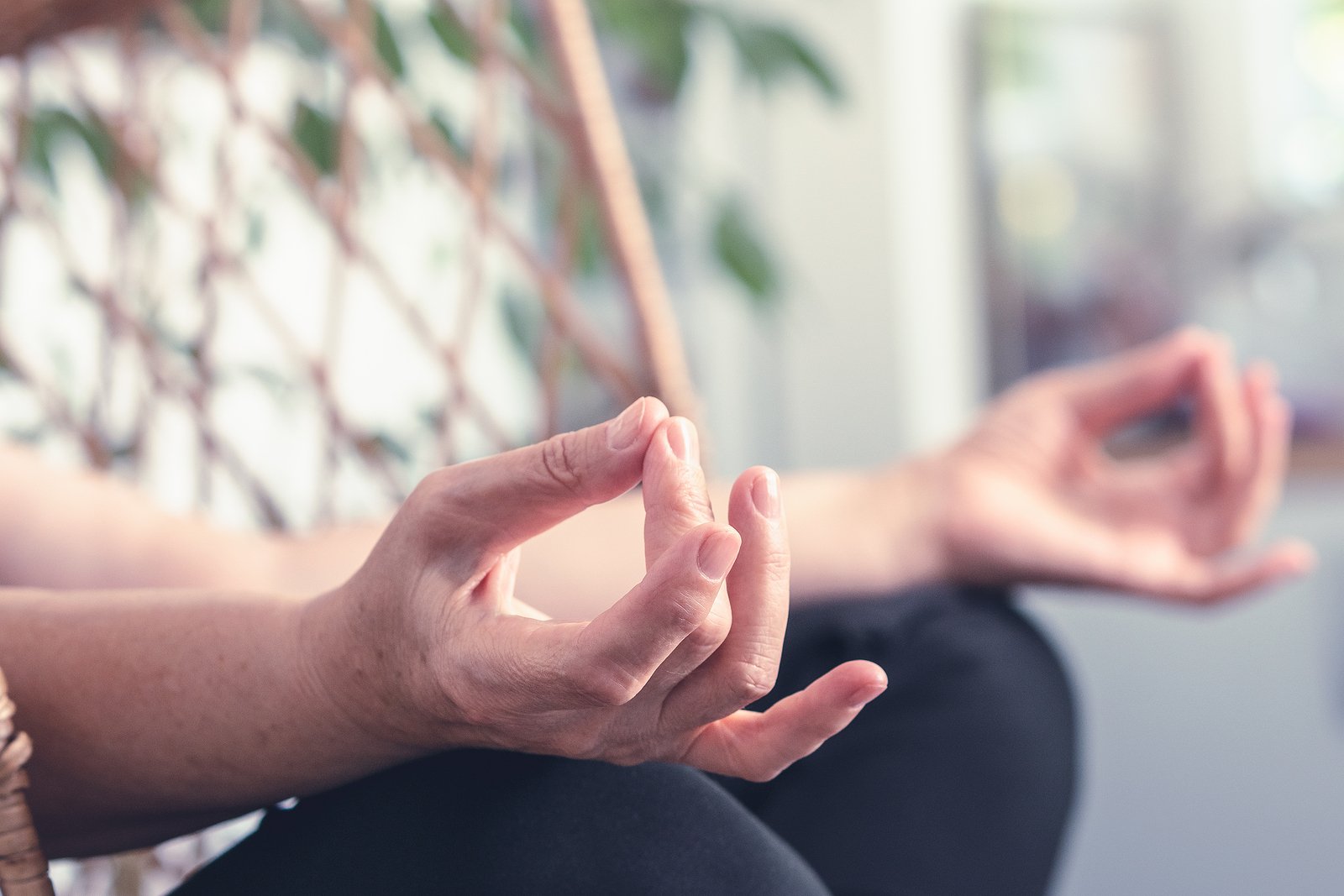
Examples include meditation, faith-based activities, yoga, tai chi, spending time in nature, or quiet reflection.
Vocational Wellness
Vocational wellness focuses on using skills, strengths, and passions in meaningful ways. This dimension supports a sense of purpose and contribution.
Examples include mentoring, volunteering, tutoring, caregiving, or exploring new roles that align with personal interests. Many individuals find fulfillment through service-oriented activities that support others.
Emotional Wellness
Emotional wellness involves recognizing, expressing, and managing emotions in healthy ways. It supports resilience and the ability to cope with life’s challenges.
Examples include stress management, peer support, humor, counseling, and participation in support groups. Occupational therapy services often help individuals develop strategies to manage emotional and cognitive challenges related to daily life.
Environmental Wellness
Environmental wellness reflects respect for natural resources and maintaining supportive, safe surroundings. A positive environment can influence physical and emotional well-being.
Examples include recycling, spending time outdoors, gardening, walking in nature, and creating calming home environments that support comfort and safety.
Intellectual Wellness
Intellectual wellness focuses on keeping the mind active and engaged. Lifelong learning supports cognitive health and curiosity.
Examples include reading, journaling, painting, solving puzzles, learning new skills, or enrolling in classes. Activities that stimulate the brain can also complement therapy programs that support cognitive and functional health.
Finding Balance Across the Dimensions
Take time to reflect on how you spend a typical day, week, or month. Many activities naturally support more than one dimension of wellness. For example, group exercise can support both physical and social wellness.
If a particular area feels neglected, consider adding a small activity that supports balance. If one dimension dominates your time and energy, it may be helpful to reassess whether adjustments are needed to better support overall well-being.
Living Well at Every Stage of Life
Wellness is not about perfection. It is about balance, intention, and consistency. Supporting all seven dimensions of wellness helps individuals stay active, engaged, and confident throughout the aging process.