
By: Brittany Austin, National Director of Health and Wellness, Functional Pathways
Occupational Therapy Month is a time to recognize the vital role occupational therapy plays in helping individuals maintain independence, safety, and quality of life.
From getting dressed in the morning to preparing meals, writing, gardening, or enjoying hobbies, our hands are involved in nearly every daily activity. These tasks rely on dexterity, or the ability to move our hands and fingers with strength, coordination, and control.
As we age, changes in hand strength and function are common. However, these changes do not have to limit independence. With the right support, individuals can maintain and even improve their ability to perform meaningful daily activities.
Why Hand Dexterity Matters for Daily Living
Hand dexterity plays a critical role in activities of daily living, often referred to as ADLs. These include essential tasks such as dressing, bathing, eating, and grooming, as well as more complex activities like cooking, managing medications, and participating in hobbies.
When dexterity declines, even simple tasks can become difficult or frustrating. Over time, this can impact confidence, independence, and overall well being. Maintaining hand strength and coordination supports not only physical function but also emotional health and quality of life
How Aging Affects Hand Strength and Function
Aging naturally brings gradual changes to the body, including reduced grip strength, joint stiffness, decreased flexibility, and slower motor coordination.
Conditions such as arthritis, neurological disorders, or previous injuries can further impact hand function. Individuals may begin to notice difficulty with tasks such as opening containers, buttoning clothing, holding utensils, or writing.
These challenges can lead to frustration and may cause individuals to avoid certain activities altogether. Early intervention through occupational therapy can help address these changes and prevent further decline.
What Is Occupational Therapy and How Does It Help
Occupational therapy focuses on helping individuals participate in the activities that matter most to them. It takes a holistic approach by addressing physical, cognitive, and environmental factors that impact daily function.
Occupational therapy for seniors is designed to improve mobility, coordination, and strength while also introducing strategies and tools that make everyday tasks easier and safer.
Therapists work closely with individuals to develop personalized care plans that support independence, safety, and long term success.
Occupational Therapy Techniques to Improve Hand Strength and Dexterity
Occupational therapy services include a variety of targeted techniques designed to improve hand function and support daily activities.
Hand Strengthening Exercises
Occupational therapists often introduce gentle, progressive exercises to improve grip strength, finger mobility, and endurance. These may include using therapy putty, resistance tools, or repetitive hand movements that build strength over time.
Improved hand strength directly supports the ability to complete daily tasks such as carrying items, opening containers, and maintaining control of objects.
Fine Motor Skill Development
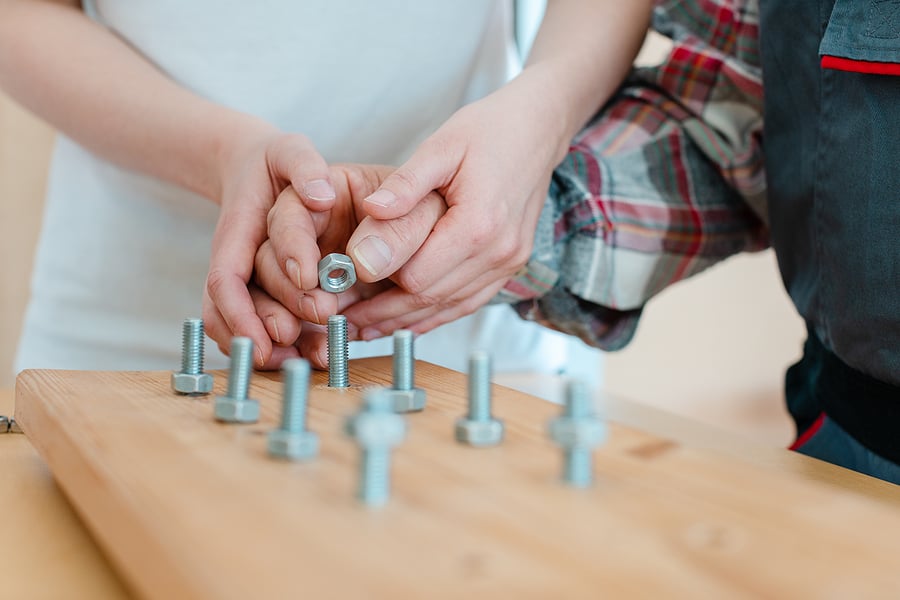
Fine motor skills involve precise movements of the hands and fingers. Occupational therapy uses targeted activities such as buttoning practice, picking up small objects, or manipulating tools to improve coordination and control.
These exercises are designed to mirror real life tasks, making improvements practical and meaningful.
Joint Protection and Pain Management
For individuals experiencing arthritis or joint pain, occupational therapists provide strategies to reduce strain and protect joints.
This may include modifying how tasks are performed, using proper body mechanics, and incorporating rest breaks to minimize discomfort while maintaining function.
Adaptive Tools and Equipment
Occupational therapy often includes recommendations for adaptive tools that support independence. Examples include built up utensils, jar openers, button hooks, and writing aids.
These tools help individuals continue performing daily tasks safely and confidently, even when physical limitations are present.
Task Modification and Environmental Support
Therapists may also recommend changes to the home or daily routine to improve safety and efficiency. This can include reorganizing frequently used items, simplifying workflows, or adjusting how tasks are approached.
These modifications reduce frustration and make everyday activities more manageable.
The Role of Occupational Therapy in Senior Living and Rehabilitation
In senior living communities and rehabilitation settings, occupational therapy plays a critical role in supporting resident outcomes and overall quality of care.
Occupational therapy services help support:
-
Safe participation in daily activities
-
Recovery following illness, injury, or surgery
-
Fall prevention and safety awareness
-
Cognitive and functional engagement
-
Improved quality of life and independence
When to Consider Occupational Therapy
Occupational therapy may be beneficial if you or a loved one experiences:
-
Difficulty with daily activities such as dressing or eating
-
Reduced hand strength or coordination
-
Pain or stiffness in the hands or joints
-
Challenges following illness, injury, or surgery
-
Decreased confidence in performing everyday tasks
Early intervention can help individuals maintain independence and avoid further functional decline.
Frequently Asked Questions About Occupational Therapy
What does occupational therapy do for seniors
Occupational therapy helps seniors maintain independence by improving strength, coordination, and the ability to perform daily tasks. It also provides strategies and tools to make activities safer and more manageable.
Can occupational therapy improve hand strength
Yes, occupational therapy includes targeted exercises and interventions designed to improve hand strength, flexibility, and coordination, making it easier to complete everyday tasks.
What are activities of daily living
Activities of daily living include tasks such as dressing, bathing, eating, and grooming. Occupational therapy helps individuals maintain independence in these essential activities.
Who benefits from occupational therapy
Occupational therapy benefits older adults, individuals recovering from injury or surgery, and those managing chronic conditions that impact daily function.
How does occupational therapy support independence
Occupational therapy focuses on helping individuals safely perform meaningful activities by improving function, adapting tasks, and providing tools that support independence.
Supporting Independence Through Occupational Therapy
Maintaining hand strength, coordination, and dexterity is essential to preserving independence, confidence, and overall quality of life. When these abilities begin to decline, even small challenges can create meaningful barriers to daily living.
Occupational therapy goes beyond exercises. It provides personalized strategies, adaptive solutions, and functional training that empower individuals to continue engaging in the activities that matter most to them. From improving fine motor skills to reducing pain and increasing safety, occupational therapy plays a critical role in supporting long term independence.
Functional Pathways partners with communities to implement occupational therapy programs that drive measurable outcomes, reduce risk, and elevate the standard of care. Connect with our team to explore how we can support your residents and clinical performance goals.